
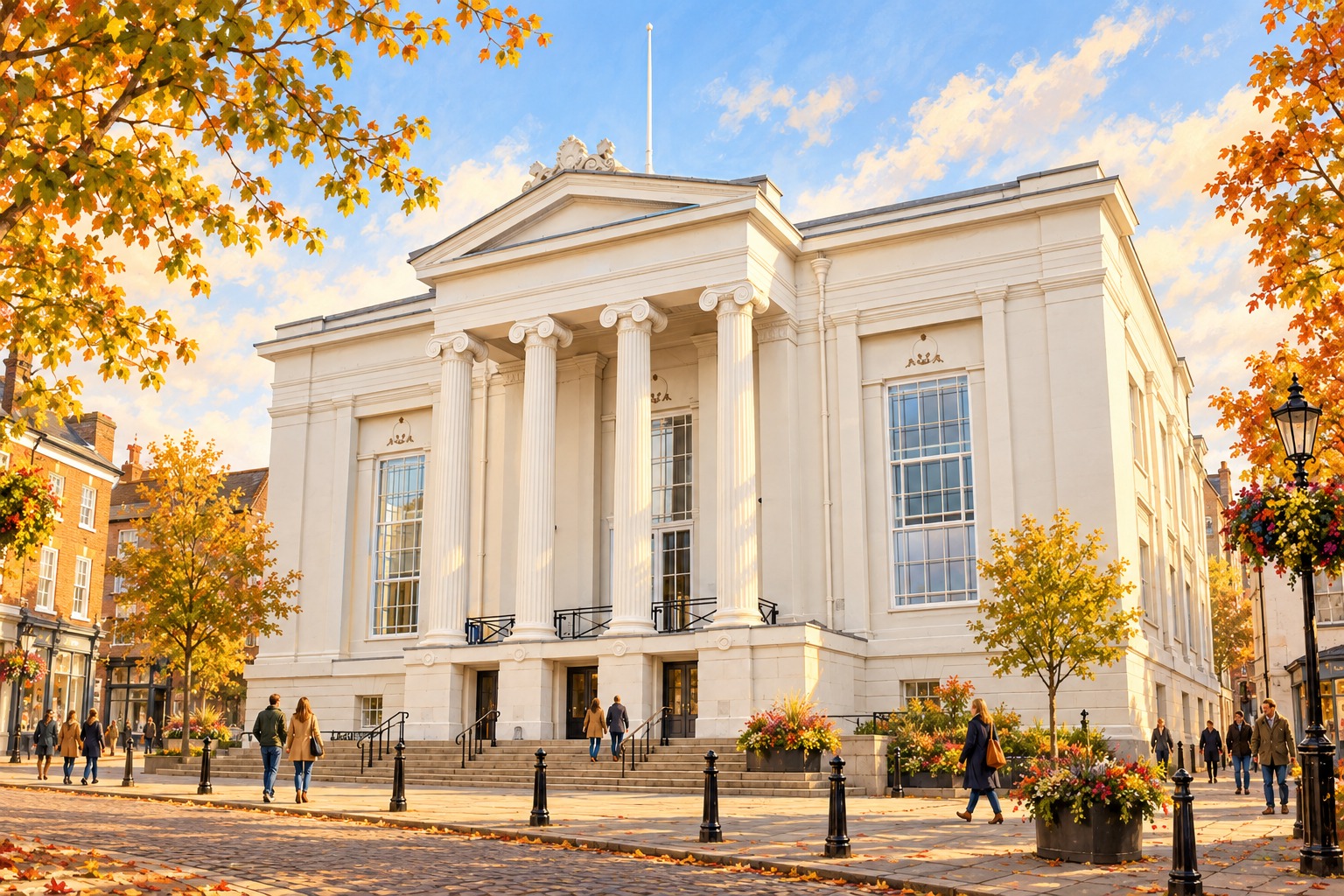
A Hertfordshire city with several stories
St Albans is a cathedral city whose history is visible in its streets, parks and everyday places. The Roman settlement of Verulamium lay beside the present city centre; the cathedral, medieval Clock Tower and market streets tell later parts of the story. These places sit alongside shops, workplaces, schools and residential neighbourhoods.
The directory covers St Albans and nearby communities, including London Colney, Park Street, Sandridge, Redbourn and Harpenden. A St Albans postal address can include a separate village, so each business listing keeps its actual base visible rather than placing everything in the city centre.
Start around the Clock Tower and market streets
High Street, Market Place, George Street and St Peter’s Street form useful starting points for exploring the centre. The Clock Tower is a surviving medieval town belfry, rather than part of the cathedral. Its visitor opening is seasonal, so the museum’s own page is the place to check access.
St Albans Museum + Gallery occupies the former Town Hall on St Peter’s Street. Exhibitions and the building’s courtroom and assembly room offer a different perspective on the city, close to shops and the street market.
The cathedral and Verulamium
The cathedral and its surrounding spaces are a distinct part of city life, used for worship, visits, music and other events. A visit can be combined with the streets around Holywell Hill, but services and special events can affect access to individual areas.
Verulamium Park provides open space close to the centre, with the Roman story explored further at Verulamium Museum. The park and museum are separate visits: allow time for the routes between them and use their own visitor pages for current arrangements.
Neighbourhood life beyond the centre
Fleetville, Marshalswick, Jersey Farm, Sopwell, Cottonmill and Chiswell Green each have their own local routines and services. A useful directory should help with the everyday enquiry as much as a day out: finding an electrician, an optician, a garage or a nearby place to meet.
Use the area filter to start close to home, then broaden the search when a specialist is based elsewhere. A district-wide label means a business serves a wider area; it does not turn its workshop, shop or office into a city-centre premises.
Plan around your own visit
St Albans City and St Albans Abbey are different railway stations, so choose the one that suits your route. City-centre car parks, buses and walking routes also vary according to your destination. The district council provides current local information rather than a single promise of parking outside every venue.
For a performance, appointment or collection, use the business or venue’s own contact details to settle the practical arrangements. The guides explain the local setting; the listings provide a direct route to the people running the service.
Spotted something out of date? Let us know.
More local guides
- Things to do in St Albans: Roman history, park walks and live entertainment
- St Albans community contacts: councils, local groups and places to meet
- Shopping in St Albans: market streets, independents and neighbourhood shops
- Where to list and promote your St Albans business
- What’s on in St Albans: November and December 2026